June 13, 2026
Living in a comfortable indoor environment requires a properly functioning climate control system. When your cooling system suddenly begins blowing warm air during a hot summer day, it can cause immediate discomfort, stress, and frustration for everyone inside the household. This specific issue is a common problem faced by many homeowners, and understanding the potential causes can help you determine the best course of action. While some minor issues can be resolved with simple troubleshooting techniques, other complex situations require professional HVAC repairs to prevent further serious damage to your valuable equipment. Identifying the underlying issues early can save you from prolonged discomfort and ensure your home remains a safe sanctuary from the harsh outdoor heat.
Checking the Thermostat Settings
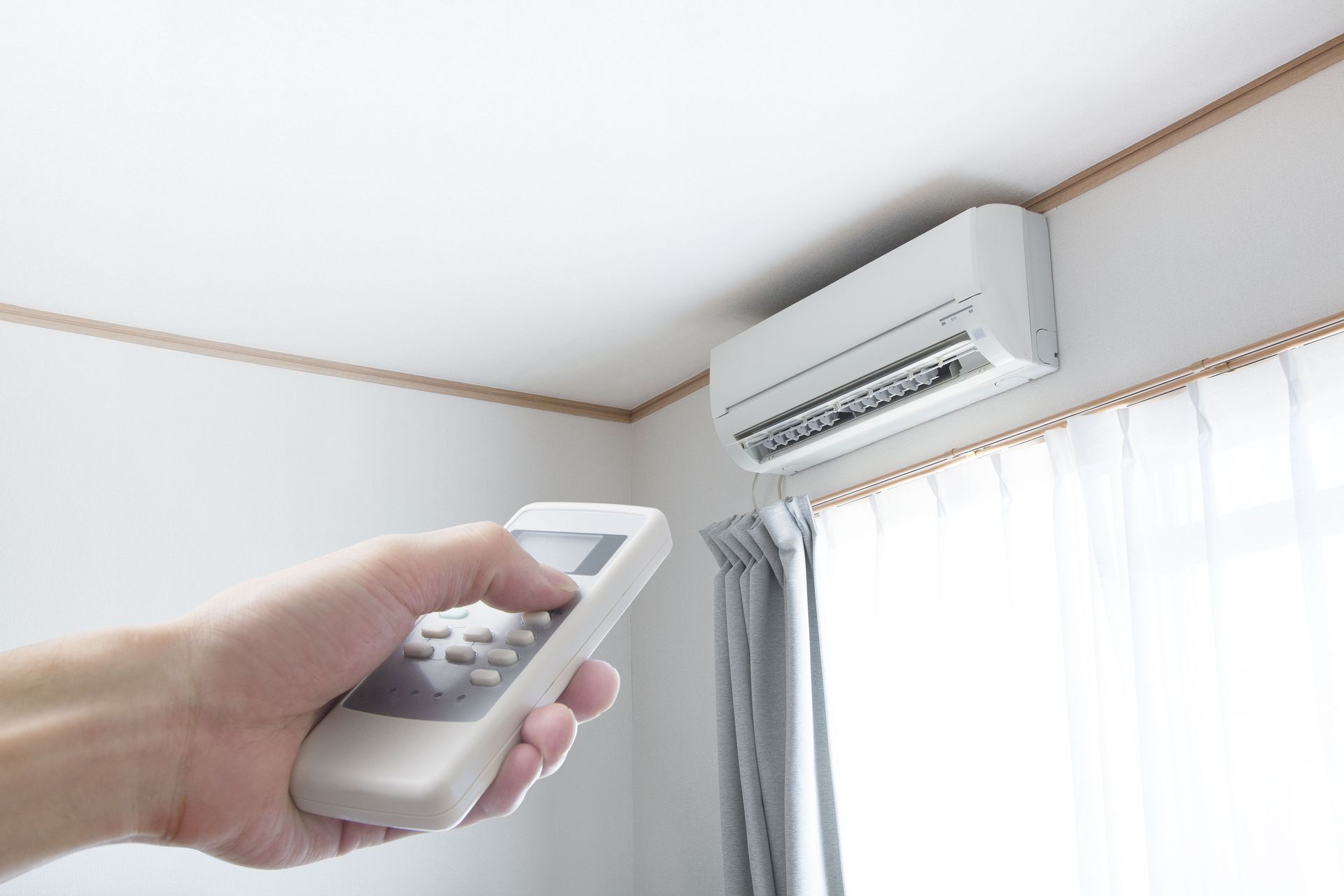
The initial place to look when your cooling system starts blowing warm air is your thermostat. It is easy for settings to be changed accidentally, especially in busy households with multiple residents or curious children. Ensure that the thermostat is set to the cooling mode rather than the heating mode, as this simple mistake happens more often than you might think. Additionally, check the fan setting on your thermostat interface. If the fan is set to the continuous on position, the blower motor will run constantly even when the cooling mechanism is not actively cycling. This means that between cooling cycles, the system will circulate room-temperature or warm air through your vents, creating the false impression that the entire system is broken. Switching the fan setting to automatic ensures that air only flows when the system is actively chilling. If adjusting these settings does not resolve the issue, there may be a deeper communication problem between your thermostat and the cooling unit itself. Internal wiring issues, dead batteries, or a malfunctioning sensor can prevent the thermostat from signaling the outdoor unit to turn on, which often necessitates expert HVAC repairs to diagnose and fix the electrical mismatch accurately and safely.
Replacing the Air Filter
A restricted air filter is another frequent culprit behind a system that blows warm air. The air filter is responsible for trapping dust, dirt, pet dander, and airborne particles, preventing them from entering the sensitive internal components of your cooling system. Over time, this filter naturally becomes clogged with thick debris, which severely restricts airflow throughout the whole system. When airflow is choked, the cooling coils cannot function properly, and the system struggles immensely to lower the temperature of the air passing through. This total lack of sufficient airflow can cause the entire system to overheat, leading to a safety shutdown of the cooling compressor while the indoor fan continues to run, pushing warm air through the house. Regularly inspecting and swapping out your air filter is a fundamental part of routine home maintenance that homeowners can perform easily. Neglecting this simple task can lead to severe strain on the system, which can ultimately cause major component failures that demand extensive HVAC repairs to rectify the damage caused by prolonged airflow restriction and unnecessary system stress.
Inspecting the Refrigerant Levels
Refrigerant is the vital chemical fluid that absorbs heat from your indoor air and releases it outside. If your system is low on refrigerant, it cannot effectively cool the air moving through the vents, resulting in warm air blowing into your rooms. Low refrigerant levels are almost always the result of a leak somewhere within the closed loop system. Simply adding more refrigerant without fixing the leak is not a viable solution, as the chemical will continue to escape into the atmosphere. According to GMinsights.com, the international market worth is anticipated to increase from $328.1 billion in 2025 to $545.4 billion in 2034, underlining a rising global dependence on sophisticated climate systems and the vital need for regular property maintenance. Detecting a leak requires specialized tools and technical training, as handling chemical refrigerant is heavily regulated due to environmental concerns. Professional technicians must locate the exact source of the leak, repair the integrity of the lines, and then recharge the system to the precise manufacturer specifications. Ignoring a suspected leak can destroy the compressor, turning a manageable fix into a major crisis where complex HVAC repairs are mandatory.
Thawing the Evaporator Coils
When airflow is restricted or refrigerant is low, the temperature of the indoor evaporator coil can drop below freezing. This causes moisture from the air to freeze directly onto the coils, creating a thick layer of ice that blocks thermal exchange. Once the coils are frozen, they act as an insulator, preventing the system from absorbing heat from your indoor air. As a result, the air blowing out of your supply vents will feel warm and unconditioned. If you suspect your coils are frozen, you must turn off the cooling system immediately and allow the ice to melt completely. Operating the system with frozen coils can cause severe liquid slugging in the compressor, which can permanently ruin the motor and necessitate full equipment replacement. Once the ice has melted completely, you can attempt to restore power, but if the underlying cause of the freezing is not addressed, the ice will simply reform. Resolving the root cause of frozen coils typically requires professional HVAC repairs to ensure that the system operates safely and efficiently without risking permanent damage to crucial internal parts that keep your home cool.
Examining the Outside Unit
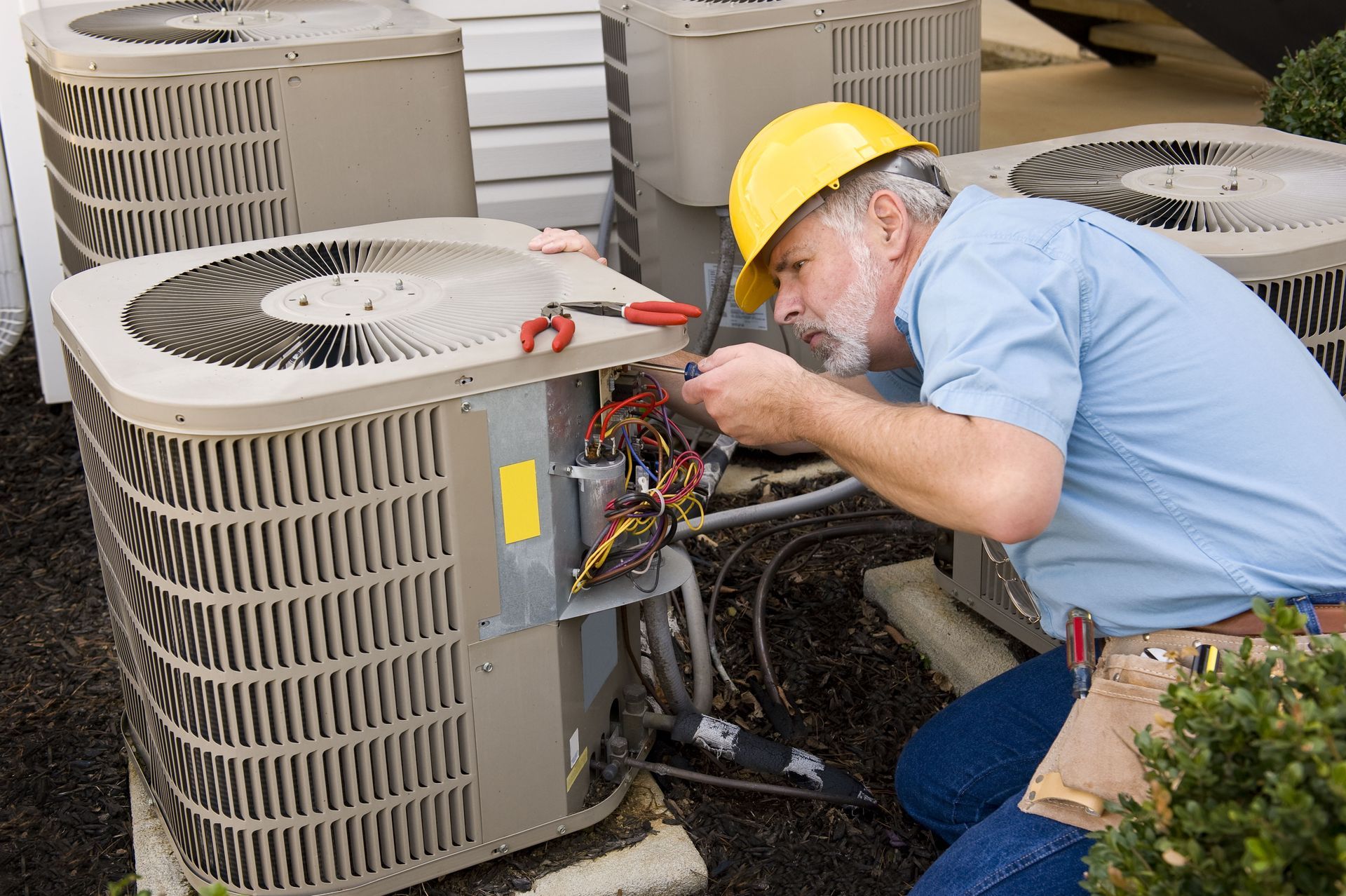
The outdoor portion of your cooling system contains the compressor and the condenser coils, which are responsible for dissipating the heat removed from your home. If the outdoor unit loses power or becomes completely blocked by debris, the heat transfer process breaks down entirely. Check your main electrical panel to see if the circuit breaker for the outdoor unit has tripped. A tripped breaker will shut down the compressor while the indoor blower keeps running, resulting in uncooled air circulating through your home. Additionally, ensure that the outdoor unit is clear of tall grass, weeds, leaves, and bushes. Restricted airflow around the exterior unit prevents heat from escaping, causing the system to overheat and shut down under thermal stress. If cleaning away debris or resetting a tripped breaker does not restore cool air, there may be a failed capacitor or a blown fuse within the outdoor electrical disconnect box. Handling high-voltage electrical components poses significant safety risks, making it essential to contact professionals who specialize in HVAC repairs to handle these complex electrical issues safely and restore your system to full operation.
Maintaining a comfortable home environment depends heavily on a reliable climate control system that functions properly throughout the entire year. When your system begins blowing warm air, HVAC repairs can prevent minor issues from escalating into major system breakdowns that could completely disrupt your peace of mind. While simple tasks like checking your thermostat configurations and cleaning away external debris can sometimes resolve the problem, many issues require the technical expertise of trained professionals. Ensuring that your system receives the specialized care it needs will extend its lifespan, maximize energy efficiency, and keep your indoor air cool and refreshing during the hottest months. If you are ready for a comfortable and cool home environment now, contact us at Hiatt Service LLC today. We will help you restore your climate control system to optimal performance and ensure your family remains comfortable.