May 7, 2026
The reliability of a home heating system is often taken for granted until the first freezing night of winter arrives and the vents remain cold. Maintaining a consistent temperature within a residence is not merely a matter of comfort but also one of structural preservation and health. When homeowners neglect the mechanical needs of their heating units, they inadvertently invite a host of complications that extend far beyond a simple chill. A proactive approach to HVAC repair serves as a vital safeguard against the total system failures that often necessitate expensive emergency interventions. By understanding the intricate relationship between routine check-ups and long-term mechanical health, property owners can ensure their systems operate at peak efficiency for years. The transition from reactive fixing to preventative care is the most effective way to manage household expenses while guaranteeing a safe, warm environment for all occupants.
Analyzing System Performance To Mitigate Future Risks
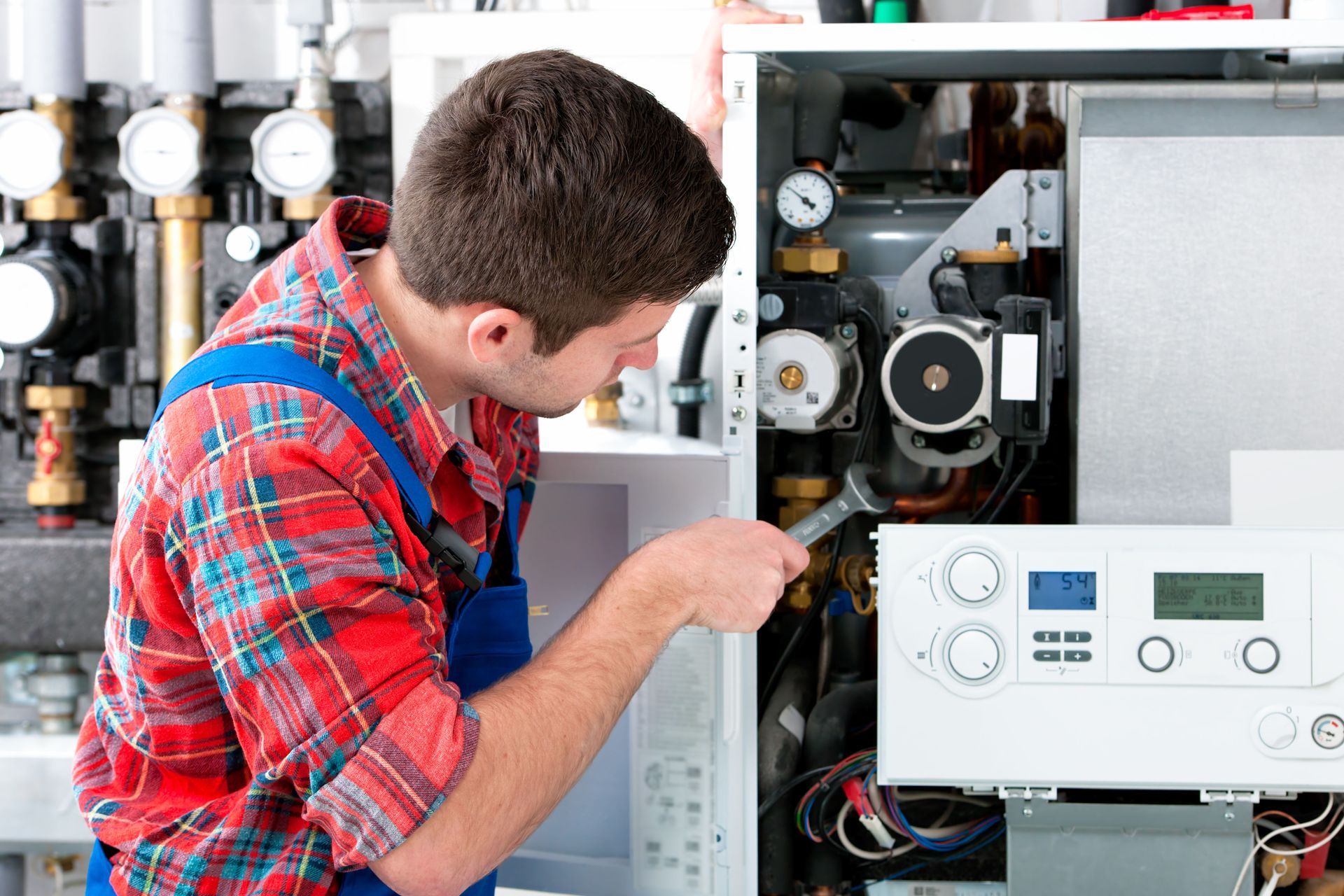
Regularly checking the operational output of your heating unit allows technicians to identify minor irregularities before they escalate into major mechanical disasters. When a professional performs a routine inspection, they are looking for subtle signs of wear on belts, bearings, and motors that the average homeowner might overlook. Addressing these small issues during a scheduled visit is significantly more affordable than calling for an emergency HVAC repair in the middle of a blizzard. By ensuring that every component is functioning within its designated parameters, the technician reduces the overall strain on the system. This meticulous attention to detail ensures that the furnace does not have to work twice as hard to produce the same amount of heat. Consequently, the internal parts experience less friction and heat-related fatigue, which directly extends the usable life of the equipment and keeps the monthly utility bills manageable for the household throughout the long winter months.
Evaluating Market Trends In The Heating Industry
Understanding the economic landscape of climate control helps put the importance of equipment longevity into a clearer financial perspective for modern homeowners. The sheer scale of the industry reflects how much Americans rely on these complex systems to maintain their standard of living in diverse climates. According to Grandviewresearch.com, the U.S. HVAC systems market generated a revenue of USD 29.88 billion in 2024. This massive market valuation underscores the high demand for parts and labor, which often drives up the cost of a full system replacement. By investing in minor HVAC repair and consistent maintenance now, you are effectively protecting yourself from the rising costs of new hardware and installation services. Maintaining an existing, well-functioning unit is almost always more fiscally responsible than being forced to purchase a new one prematurely due to avoidable neglect. Staying ahead of the curve ensures that you are not contributing more than necessary to billion-dollar statistics because of a failed heat exchanger or a neglected blower motor.
Lubricating Mechanical Parts To Reduce Component Friction
Applying specialized oils to the moving parts within a furnace is a simple yet transformative task that prevents the grinding of metal on metal. Over time, the factory-applied lubricants in a blower motor or fan assembly can dry out or become contaminated with household dust and pet dander. When this happens, the motor must pull more electricity to overcome the internal resistance, which leads to overheating and eventual burnout. A technician focuses on these friction points during a maintenance visit, ensuring that every rotating part moves with minimal effort. This process is a core component of effective HVAC repair prevention, as it stops the "domino effect" of part failure. When one motor fails due to friction, it can surge the control board or snap a belt, leading to a much larger and more expensive repair bill. Keeping things running smoothly is the most basic form of insurance a homeowner can have against the loud, grinding noises that signal an impending and costly system collapse.
Inspecting Heat Exchangers For Safety And Integrity
Examining the heart of the furnace for cracks or corrosion is perhaps the most critical safety step in any comprehensive maintenance protocol. The heat exchanger is responsible for separating the combustible gases from the breathable air circulated throughout your home, making its physical condition a matter of life and death. If this component develops even a hairline fracture, it can leak carbon monoxide into your living spaces, creating a silent and deadly hazard for your family. Identifying these cracks early allows for a planned HVAC repair that can be scheduled at your convenience, rather than a frantic situation where the gas must be shut off immediately for safety. Regular cleanings also prevent the buildup of soot and debris that can trap moisture and accelerate the rusting process. Ensuring the integrity of the heat exchanger not only protects your wallet from a sudden furnace replacement but also provides the priceless assurance that the air your family breathes is clean and safe.
Calibrating Thermostats For Optimal Energy Utilization
Adjusting the sensitivity and accuracy of your temperature control system ensures that your furnace is not cycling on and off more frequently than necessary. A thermostat that is out of calibration can cause "short-cycling," where the furnace starts up and shuts down in rapid succession, never reaching its full efficiency. This constant starting and stopping puts immense electrical and mechanical stress on the ignition system and the blower motor. During a standard maintenance visit, a technician will verify that the digital or analog readings match the actual ambient temperature of the room. This form of precision HVAC repair ensures that the system only runs when it is truly needed, saving a significant amount of fuel and electricity over the course of a single season. By fine-tuning the communication between the wall unit and the furnace, you create a more stable indoor climate and prevent the premature wear that comes with an erratic and uncoordinated heating schedule that wastes both money and natural resources.
Cleaning Air Filtration Systems To Improve Airflow
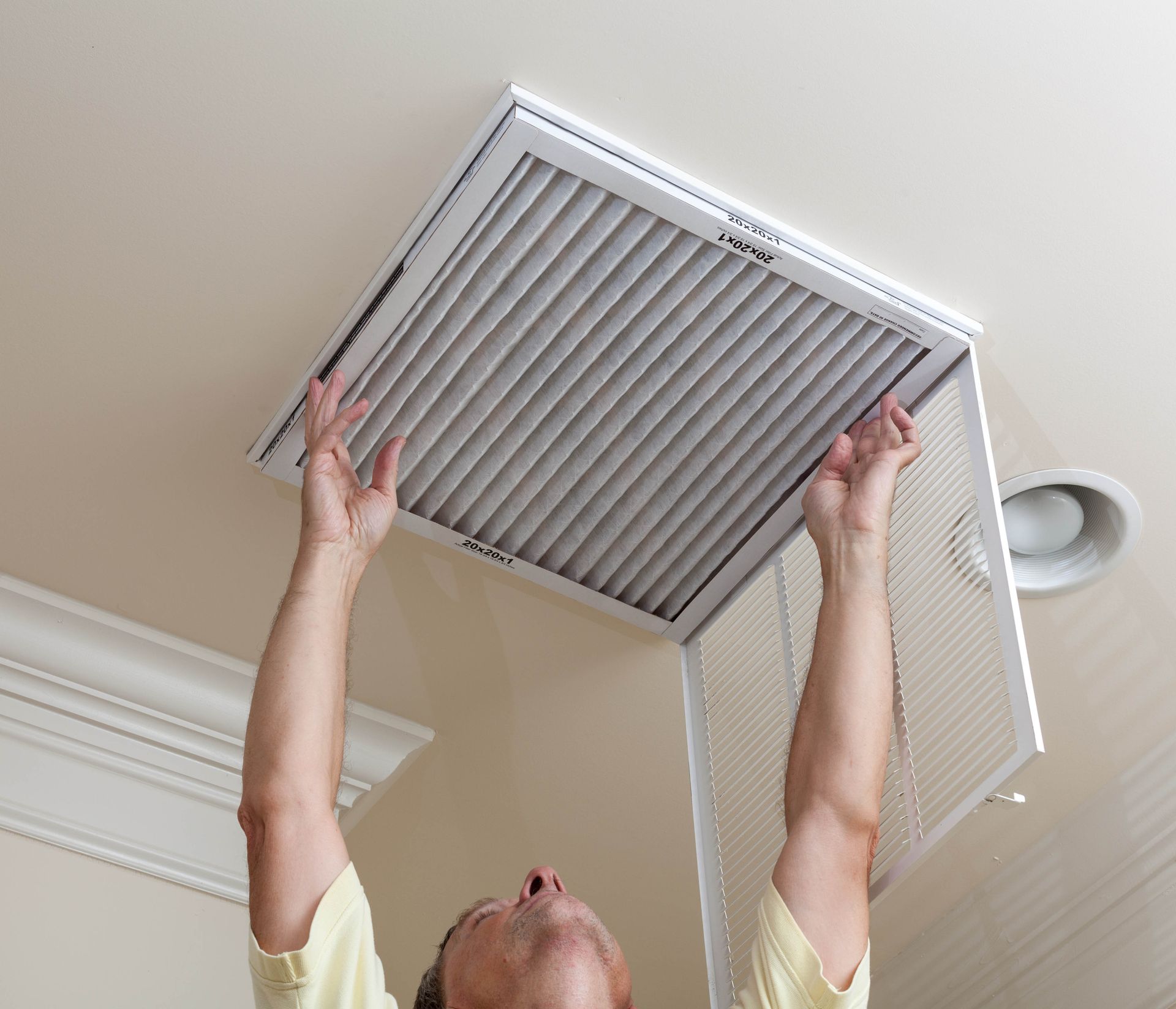
Removing the accumulation of dust and allergens from the intake and exhaust pathways is essential for maintaining the high-velocity airflow required for efficient heating. A furnace with a clogged filter or dirty internal coils must work significantly harder to push warm air through the ductwork of the home. This restricted airflow causes the internal temperature of the furnace to rise to dangerous levels, often triggering the "limit switch," which shuts the system down to prevent a fire. Repeatedly hitting this limit switch is a leading cause of premature system failure and necessitates an emergency HVAC repair to replace the stressed components. Technicians ensure that the entire air path is clear, which not only protects the machinery but also improves the indoor air quality for the occupants. A clean system moves air with less resistance, which means the furnace runs for shorter durations to achieve the desired temperature, ultimately preserving the motor and reducing the accumulation of dust on your furniture and in your lungs.
The decision to prioritize furnace maintenance is an investment that pays dividends in the form of lower utility bills, enhanced home safety, and a significantly longer equipment lifespan. By addressing the small issues of friction, airflow, and electrical stability today, you effectively insulate yourself from the high costs and stress of a major system failure in the future. The relationship between regular check-ups and the prevention of catastrophic breakdowns is undeniable; a well-maintained furnace is a reliable one. As the heating industry continues to grow and technology becomes more complex, the role of professional oversight becomes even more critical for the modern homeowner. Taking control of your home’s climate through disciplined care ensures that you are never left out in the cold by a system that was simply pushed too hard for too long without a tune-up. Ultimately, the cost of a routine service call is a small price to pay for the decade or more of reliable warmth that a healthy furnace provides. True comfort comes not just from a warm room, but from the knowledge that your home's most vital winter system is prepared to handle whatever the elements may bring. Do you need assistance with HVAC repair in Northeast Kansas? The professionals at Hiatt Service LLC are ready to help! Call today to schedule service.