May 7, 2026
Heating, Ventilation, and Air Conditioning (HVAC) services play a crucial role in maintaining the functionality and efficiency of home heating systems, such as furnaces. Regular HVAC maintenance is essential for homeowners seeking to extend the life of their furnaces and avoid costly repairs. While new furnaces are often an investment, the long-term savings from extending a furnace's lifespan can be significant. Routine maintenance ensures that the furnace operates efficiently, consuming less energy and providing consistent warmth throughout the cold months. This article explores various ways HVAC services positively impact the longevity of your furnace, saving time, money, and energy.
The Role of HVAC Services
HVAC (Heating, Ventilation, and Air Conditioning) services encompass a wide range of activities that help maintain, repair, and eventually replace the heating and cooling systems within a building. They are critical to ensuring that these systems function effectively throughout their lifespan. HVAC services are not limited to fixing issues when they arise but also include preventive measures such as inspections and tune-ups. These services are provided by trained technicians who specialize in keeping these systems running smoothly and efficiently. Understanding what HVAC services entail is the first step towards appreciating their role in extending the lifespan of your furnace.
Regular HVAC maintenance is essential for the optimal operation of heating systems, particularly for furnaces that endure heavy use during colder months. Routine checks and maintenance can identify potential problems before they become costly repairs. By addressing minor issues early on, homeowners can prevent them from developing into larger, more expensive problems. Experts recommend annual maintenance to keep systems in top condition. The practices performed during HVAC maintenance are designed to ensure that a furnace can operate efficiently, reducing energy consumption and avoiding unexpected breakdowns.
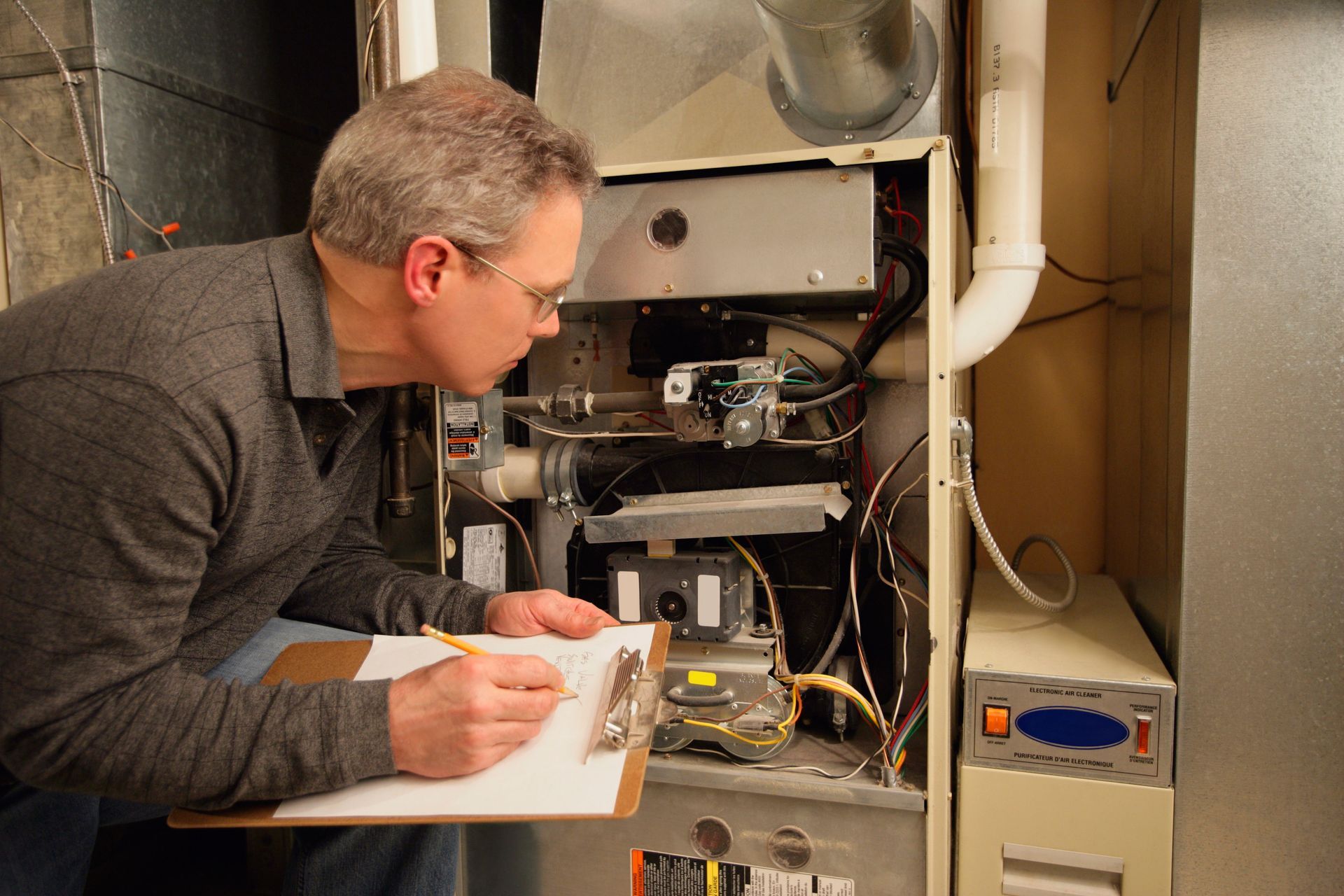
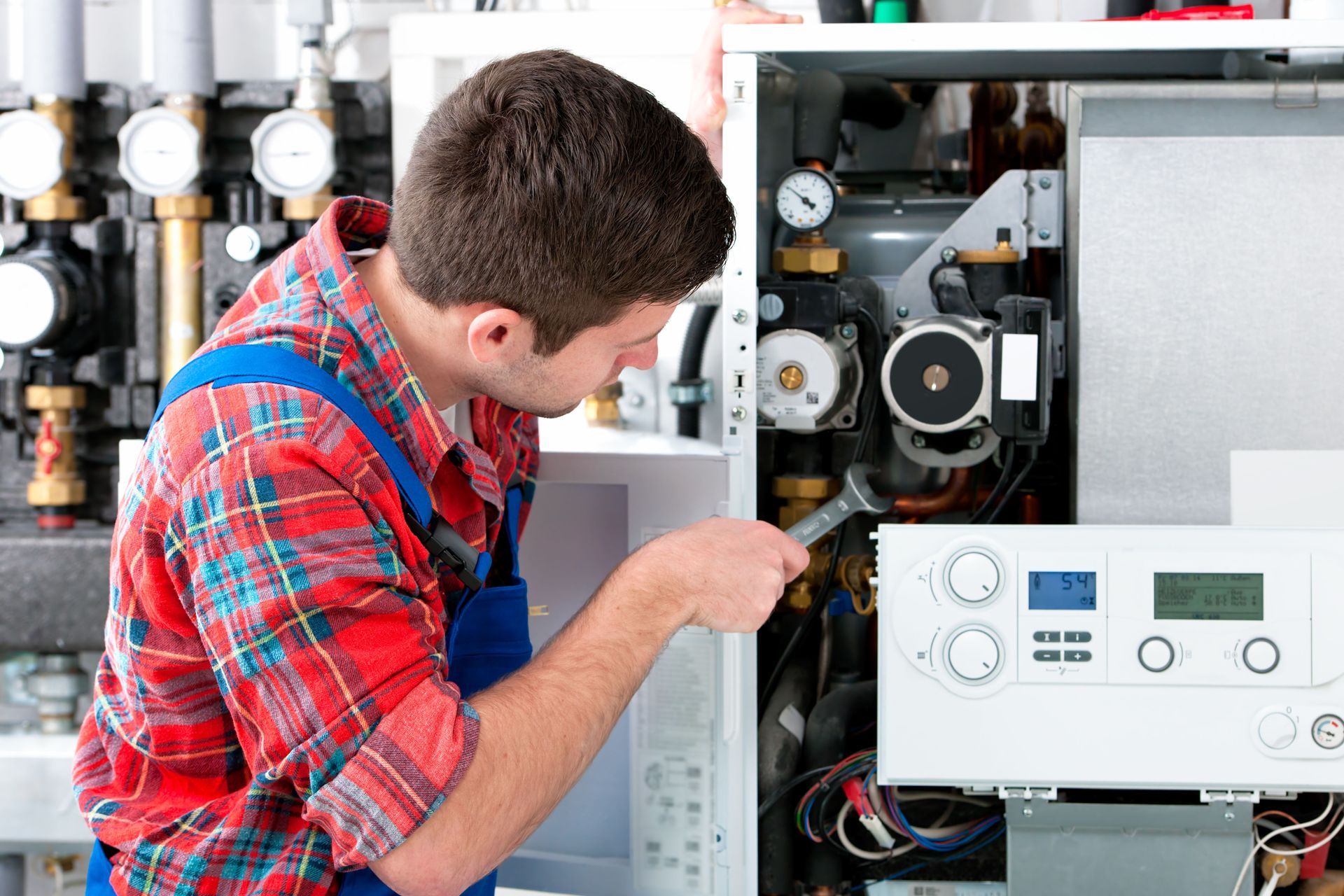
During routine HVAC maintenance, several key services are performed to assess and enhance the performance of a furnace. Technicians examine the system's components for signs of wear and tear, inspecting belts, filters, and electrical connections. Additionally, the furnace is cleaned to remove dust and debris that may have accumulated over time. By cleaning and inspecting the system regularly, professionals can improve the airflow and energy efficiency of the furnace. Regularly performing these routine checks ensures that the system operates safely and effectively, reducing the risk of carbon monoxide leaks or fires.
The practices performed in routine HVAC maintenance checks significantly impact the longevity of heating systems, making them vital for extending a furnace's useful life. A well-maintained furnace experiences less stress and strain, which translates to fewer breakdowns and a reduced likelihood of complete system failure. Scheduled maintenance allows for the ongoing assessment and adaptation of the furnace to changing conditions, optimizing its performance and efficiency. According to ASHRAE, the median service life of a residential gas furnace is 15 to 20 years. Therefore, routine maintenance is crucial to achieving or even exceeding this typical lifespan.
Routine Inspections and Cleaning
Regular inspections form the backbone of a proactive HVAC maintenance strategy, ensuring all system components are functioning properly. Scheduled inspections help identify potential issues before they become costly problems, increasing system reliability. By confirming that all elements of the furnace are in good working condition, inspections play a crucial role in maintaining system safety and efficiency. These assessments allow technicians to spot wear or deteriorated parts and recommend appropriate solutions, thus preventing the risk of sudden breakdowns. Through regular inspections, homeowners can ensure their furnace remains in peak condition, especially during the demanding winter months.
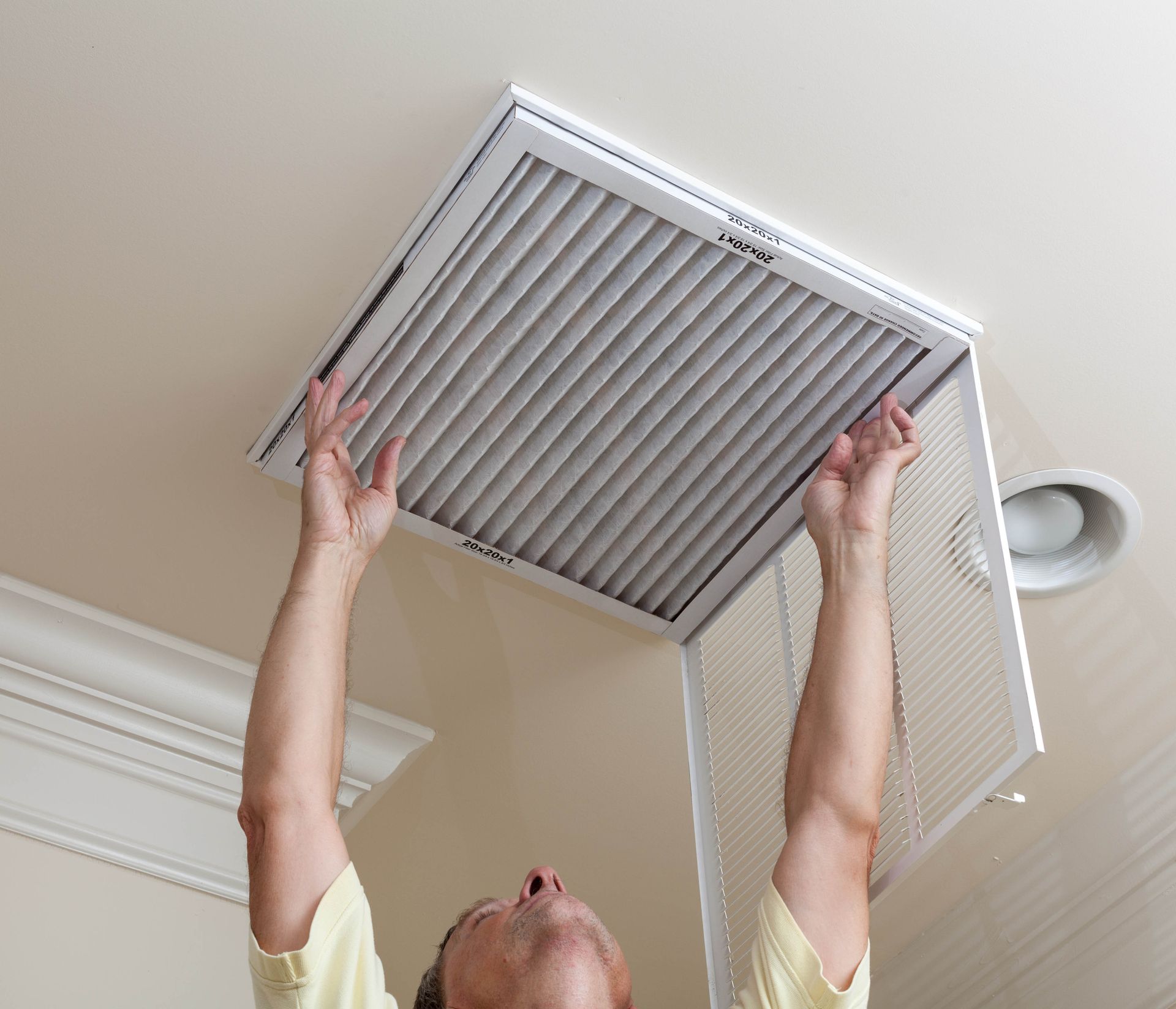
Routine inspections of a furnace involve careful evaluation of various components that are vital to its efficient operation. Technicians check parts such as the heat exchanger, blower motor, belts, and filters to ensure they are in good working order. Inspecting electrical connections is crucial to prevent possible short circuits or fire hazards. Filters, another critical component, are checked and replaced if they are dirty or clogged to maintain proper airflow. By thoroughly checking these components, HVAC experts can pinpoint and correct issues that could impact performance, extending the life of the furnace.
Cleaning procedures during HVAC maintenance have a significant impact on the performance and longevity of a furnace. Over time, dust and debris can accumulate within the system, restricting airflow and reducing efficiency. A thorough cleaning removes these obstructions, ensuring optimal airflow and minimizing strain on the furnace. Clean components work more efficiently, contributing to a longer system lifespan and improved performance. By including cleaning as an integral part of maintenance routines, technicians help prevent the gradual decline in furnace capabilities and maintain its long-term operational standards.
Proper Lubrication and Tightening
Proper lubrication of moving components is crucial to the efficient operation and longevity of mechanical systems like furnaces. Lubrication reduces friction, allowing for smoother transitions and less wear on critical parts. Over time, the natural lubrication in a system can degrade, causing parts to bind or wear out prematurely. By including lubrication in routine maintenance, homeowners can prevent the friction that contributes to system breakdowns. Ensuring that components have adequate lubrication is a simple yet effective strategy to maintain the health and efficiency of a furnace for years to come.
Within a furnace, particular components require regular lubrication to maintain their efficiency and prevent damage. Key parts such as the blower motor bearings, fan components, and belts are susceptible to wear and benefit greatly from lubrication. Properly maintaining these elements ensures they operate smoothly without overheating or causing noise disturbances. Regular lubrication not only extends the lifespan of these parts but also improves the overall efficiency of the system. By addressing these needs, homeowners can avoid costly replacements and improve the function of their heating systems.
Maintaining secure connections is vital for the safe and efficient operation of your heating system. Loosened connections can lead to inefficiencies, energy loss, and potential safety hazards within the furnace. Regularly checking and tightening electrical and mechanical connections prevents these issues from compromising system performance. Tightening connections during routine maintenance ensures that the system remains safe and operates as designed, reducing the potential for unexpected failures. Homeowners can benefit from increased system reliability and an extended operational lifespan by addressing loose connections promptly.
Optimized Furnace Efficiency
Calibrating thermostats is an integral step in optimizing a furnace's efficiency, ensuring that the temperature set by the user matches the actual output. Improperly calibrated thermostats can cause a furnace to cycle unnecessarily, increasing energy consumption and wear. Regular calibration keeps the furnace operating smoothly, maintaining consistent temperatures and reducing energy costs. Technicians can adjust the thermostat's settings and recalibrate as needed during routine maintenance, keeping the system at peak efficiency. This fine-tuning ensures the furnace meets environmental demands accurately and conservatively, enhancing its overall performance.
Enhancing airflow and ventilation within a furnace is vital for providing effective heating and maintaining consistent temperatures. Clogged filters, ducts, or vents restrict airflow, overworking the system, and resulting in uneven heating. During HVAC maintenance, technicians ensure clear paths for air distribution by cleaning and repairing any blockages in the system. By maintaining optimal airflow, a furnace operates more efficiently, consuming less energy and prolonging its service life. Improved ventilation not only enhances system performance but also contributes to a healthier indoor air environment for occupants.
Energy efficiency is a key factor in the long-term performance of a furnace, influencing both operating costs and environmental impact. An energy-efficient furnace uses less fuel to reach the desired temperature, saving homeowners money on energy bills and reducing carbon emissions. Regular HVAC maintenance is essential for sustaining a furnace's energy efficiency by identifying and correcting inefficiencies within the system. By prioritizing energy efficiency, homeowners benefit from reduced costs and an extended, reliable service life for their furnace. Investing in energy-efficient practices provides a win-win solution for both the environment and household budgets.
By investing in professional HVAC services, homeowners can maximize the performance and lifespan of their heating systems, often meeting or exceeding the typical service life. Ultimately, consistent maintenance not only protects your furnace but also helps lower energy costs and supports a more reliable, efficient home heating system year after year. For
HVAC services you can rely on, contact Hiatt Service LLC today.