December 10, 2025
The field of HVAC construction is crucial for creating comfortable and efficient indoor environments. Whether you are building a new home, renovating an existing property, or maintaining an industrial facility, understanding the fundamental aspects of HVAC systems can greatly impact the success of your project. This article delves into essential elements and practices you should be aware of in HVAC construction while explaining how thoughtful planning, modern technology, and skilled HVAC contractors contribute to positive long-term outcomes.
1. Understanding HVAC Systems
HVAC stands for Heating, Ventilation, and Air Conditioning, a vital component of modern building systems. This technology regulates indoor air temperature, humidity, and air quality, ensuring comfort while maintaining health standards. HVAC systems serve residential, commercial, and industrial environments, providing steady indoor conditions no matter how temperatures fluctuate outside. As modern building expectations evolve, HVAC performance plays a crucial role in safety, sustainability, and long-term usability.
HVAC systems function through several key components, including furnaces, air conditioners, ducts, vents, thermostats, and filtration elements. Each part contributes to delivering conditioned air throughout the structure. Air is drawn into the system, filtered, heated or cooled, and redistributed across living or working spaces. The thermostat acts as the system's control center, maintaining user-set temperatures and contributing to overall efficiency. Additional components like humidifiers and dehumidifiers help maintain proper moisture levels and prevent issues such as mold and structural deterioration.
Several HVAC system types exist to meet diverse building needs. Central HVAC systems deliver uniform conditioning through ductwork and are common in larger buildings. Ductless mini-split systems allow flexible temperature zoning without requiring ducts, making them ideal for additions or selective room conditioning. Heat pumps offer efficient year-round heating and cooling, while packaged systems provide compact solutions for properties with limited installation space. Understanding these system types helps property owners make informed choices in consultation with HVAC contractors to achieve optimal comfort.
2. Designing HVAC Systems
Effective HVAC design begins with assessing the building's unique needs. Designers evaluate factors such as size, occupancy, insulation levels, climate conditions, and architectural features. A thorough assessment prevents system overload, uneven temperatures, and increased energy usage. During planning, HVAC contractors often collaborate with architects and engineers to ensure the system aligns with structural design and project goals.
Accurate load calculations determine the heating and cooling capacity required for optimal performance. These calculations examine thermal characteristics, orientation, solar exposure, and expected occupant behavior. Proper sizing prevents issues such as short cycling, inefficiency, and premature equipment wear. By balancing performance and energy usage, load calculations support long-term operational reliability.
Energy efficiency is another core consideration. Modern HVAC systems may include features such as smart thermostats, zoning options, and variable-speed motors to enhance performance while reducing energy waste. Proper ventilation and airtight ductwork further minimize conditioned air loss. Many homeowners turn to HVAC contractors for guidance when choosing equipment with strong SEER and AFUE ratings, ensuring the system meets contemporary energy standards.
Integrating HVAC with building architecture enhances both function and aesthetics. Concealed ductwork, optimized equipment placement, and passive architectural design elements—such as natural ventilation and strategic shading—work together to create efficient and visually cohesive environments. Through collaboration between designers and HVAC contractors, mechanical systems become seamless components of the finished structure.
3. Installing HVAC Systems
Pre-installation planning sets the foundation for a smooth and efficient installation process. This stage includes site assessments, equipment placement strategies, and scheduling. Installation locations must support proper airflow, accessibility, and adherence to safety codes. According to This Old House, you should leave three feet of clear space around your HVAC unit to allow airflow, avoid fire risks, and conduct annual maintenance. Making strategic placement an essential part of the installation process.
Choosing the right equipment requires evaluating system features, building size, and climate considerations. Modern equipment offers programmable controls, multi-stage operation, and energy-saving technologies. Selecting suitable equipment ensures long-term performance and efficient operation. Proper calibration during installation further extends system longevity and maintains consistent comfort levels.
Installation best practices involve precise ductwork assembly, effective insulation, and sealing to prevent air leaks. Installers must follow manufacturer specifications to maintain equipment warranties and performance expectations. Ensuring components remain accessible for future service contributes to easier maintenance and reduced operational interruptions.
Common installation challenges include limited space, outdated building structures, and unusual layouts. These obstacles may require flexible ductwork, structural retrofitting, or creative equipment placement. Multi-story buildings, in particular, demand careful airflow balancing to ensure consistent temperature distribution. Experienced HVAC contractors use technical expertise to address these challenges and ensure seamless installations.
4. Maintenance and System Upkeep
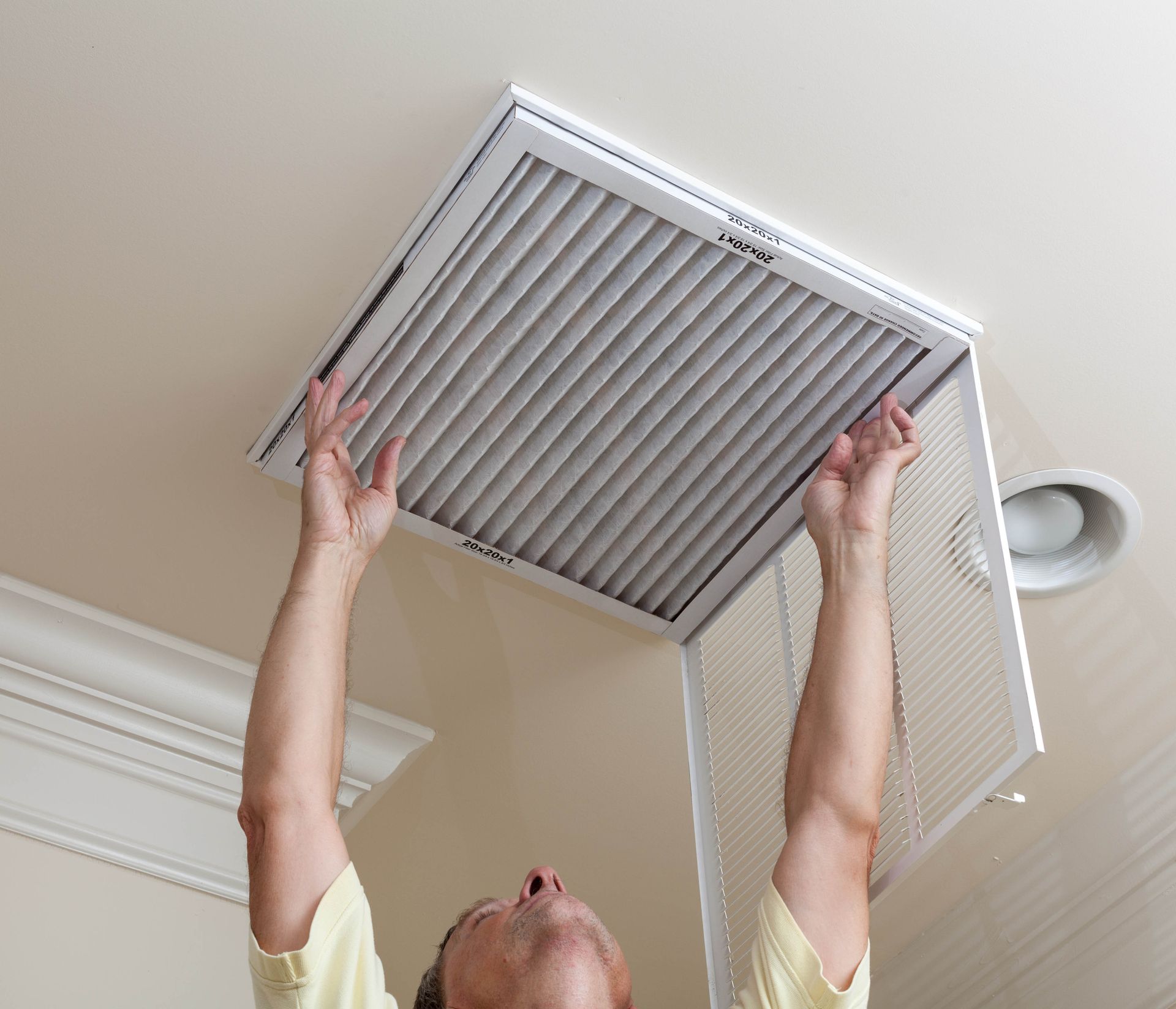
Regular maintenance is vital for efficient HVAC performance. Well-maintained systems reduce energy consumption, prevent breakdowns, and support consistent indoor comfort. Routine tasks include filter replacement, thermostat calibration, lubrication, electrical inspections, and airflow evaluations. Long-term maintenance safeguards equipment lifespan and lowers operating costs.
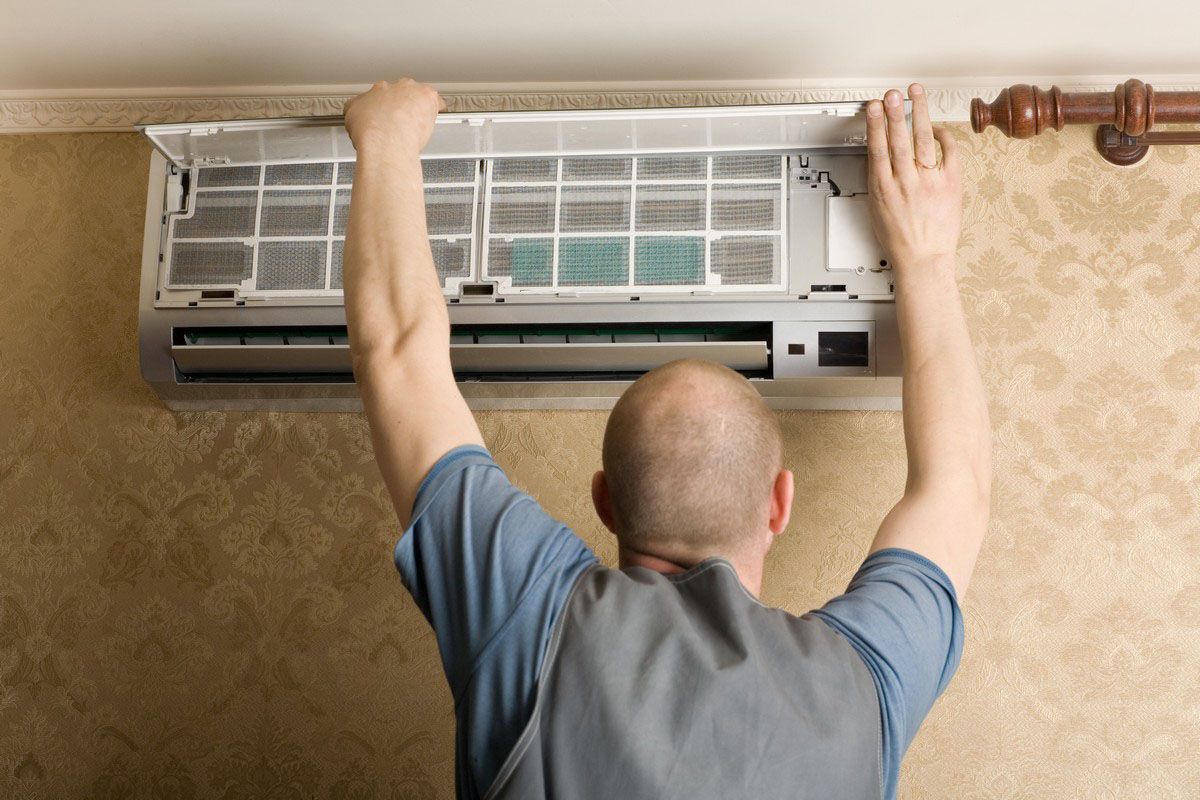
Some maintenance tasks are suitable for DIY efforts, such as changing filters or adjusting thermostat programs. However, complex tasks—refrigerant checks, electrical testing, and diagnostic troubleshooting—require professional expertise. A combined maintenance approach ensures system reliability and early detection of hidden issues.
Common HVAC problems include uneven temperatures, reduced airflow, unusual noises, and rising energy bills. Troubleshooting steps include inspecting filters, thermostat settings, and circuit breakers. When issues persist, homeowners should consult HVAC contractors who can diagnose deeper mechanical or electrical concerns and restore proper operation.
Seasonal HVAC maintenance checklists help prepare systems for temperature changes. Spring and fall inspections are ideal for cleaning coils, inspecting ductwork, checking refrigerant levels, and preparing equipment for heavy summer or winter use. Proactive seasonal care prevents unexpected failures and enhances long-term efficiency.
5. Innovations in HVAC Technology
Smart HVAC systems enhance convenience and efficiency by enabling remote access, automated scheduling, and adaptive temperature regulation. These systems adjust operation based on occupancy patterns and user behavior, improving comfort while reducing waste.
Sustainable HVAC technologies—such as geothermal systems, solar-powered units, and variable refrigerant flow systems—lower operating costs and reduce environmental impact. These solutions support the movement toward green building practices and long-term sustainability.
IoT integration further enhances HVAC performance. Connected devices use predictive analytics to anticipate heating and cooling needs, synchronize with other smart home systems, and respond to voice commands. This connectivity fosters a personalized and energy-efficient indoor experience.
Advancements in HVAC materials, such as composite ductwork and improved insulation, increase durability and decrease thermal loss. These innovations contribute to stronger system performance and the continued evolution of industry standards.
6. Hiring HVAC Professionals
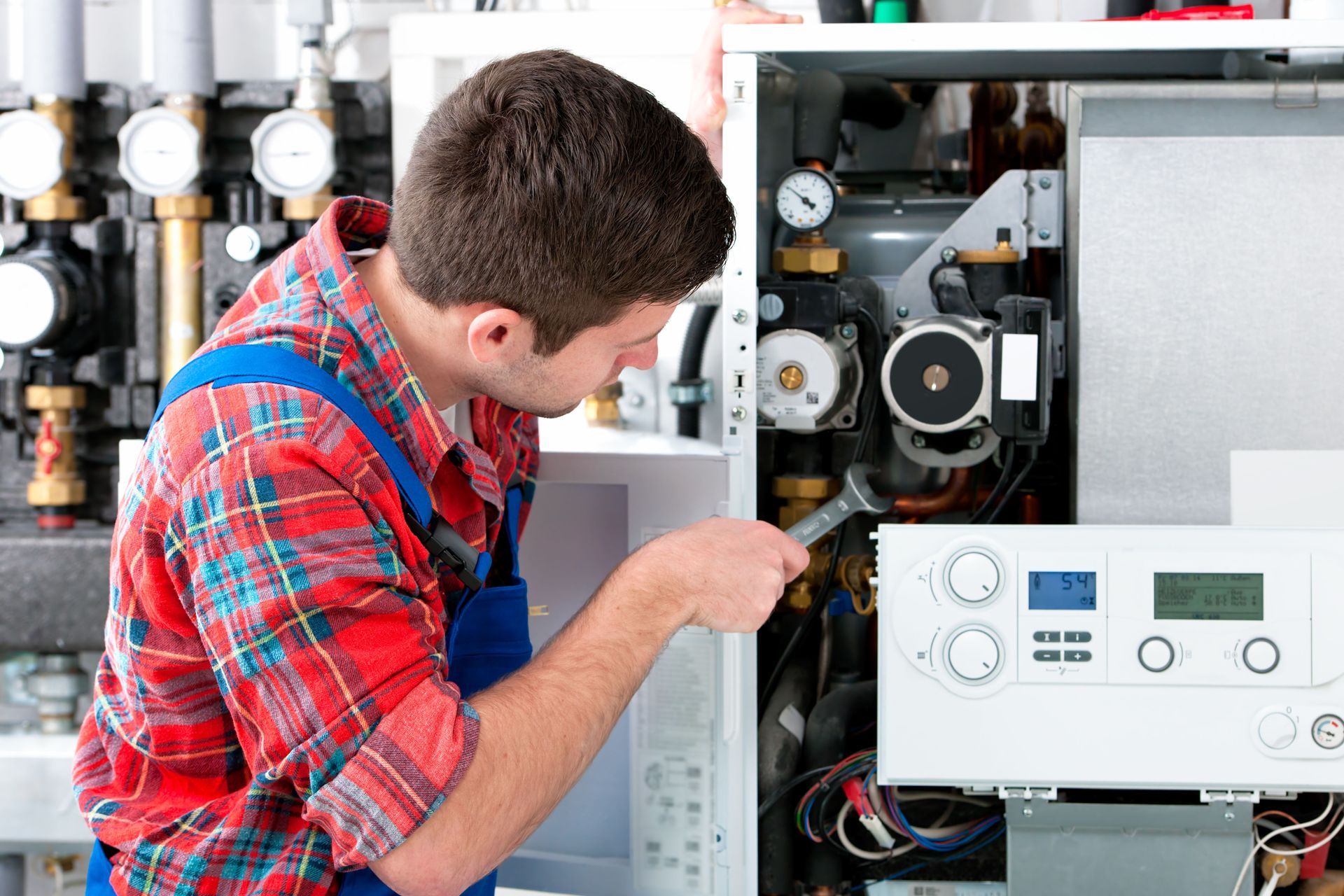
Knowing when to call a professional is essential for maintaining system safety and performance. Large installations, persistent issues, or complex repairs require trained specialists who can accurately diagnose and resolve underlying problems. Relying on professionals at the right time protects both the system and the building.
Finding qualified HVAC contractors involves verifying licensing, certifications, experience, and insurance. Customer reviews, references, and project portfolios also provide insight into reliability and craftsmanship. Careful selection ensures better results and stronger long-term partnerships.
Asking the right questions during consultations helps clarify expectations. Topics such as pricing, timelines, maintenance plans, and equipment recommendations provide valuable insight into how the contractor approaches system performance and customer service.
Understanding HVAC quotes and contracts enables homeowners to compare services and avoid misunderstandings. These documents outline responsibilities, warranties, payment schedules, and expectations. Careful review fosters transparency and smooth project execution.
HVAC construction encompasses system design, installation, maintenance, and ongoing technological innovation. With a solid understanding of these fundamentals and the support of experienced HVAC contractors, property owners can achieve efficient, reliable, and comfortable indoor environments. Modern systems and informed planning not only enhance daily comfort but also deliver long-term energy savings and improved building performance.