December 11, 2025
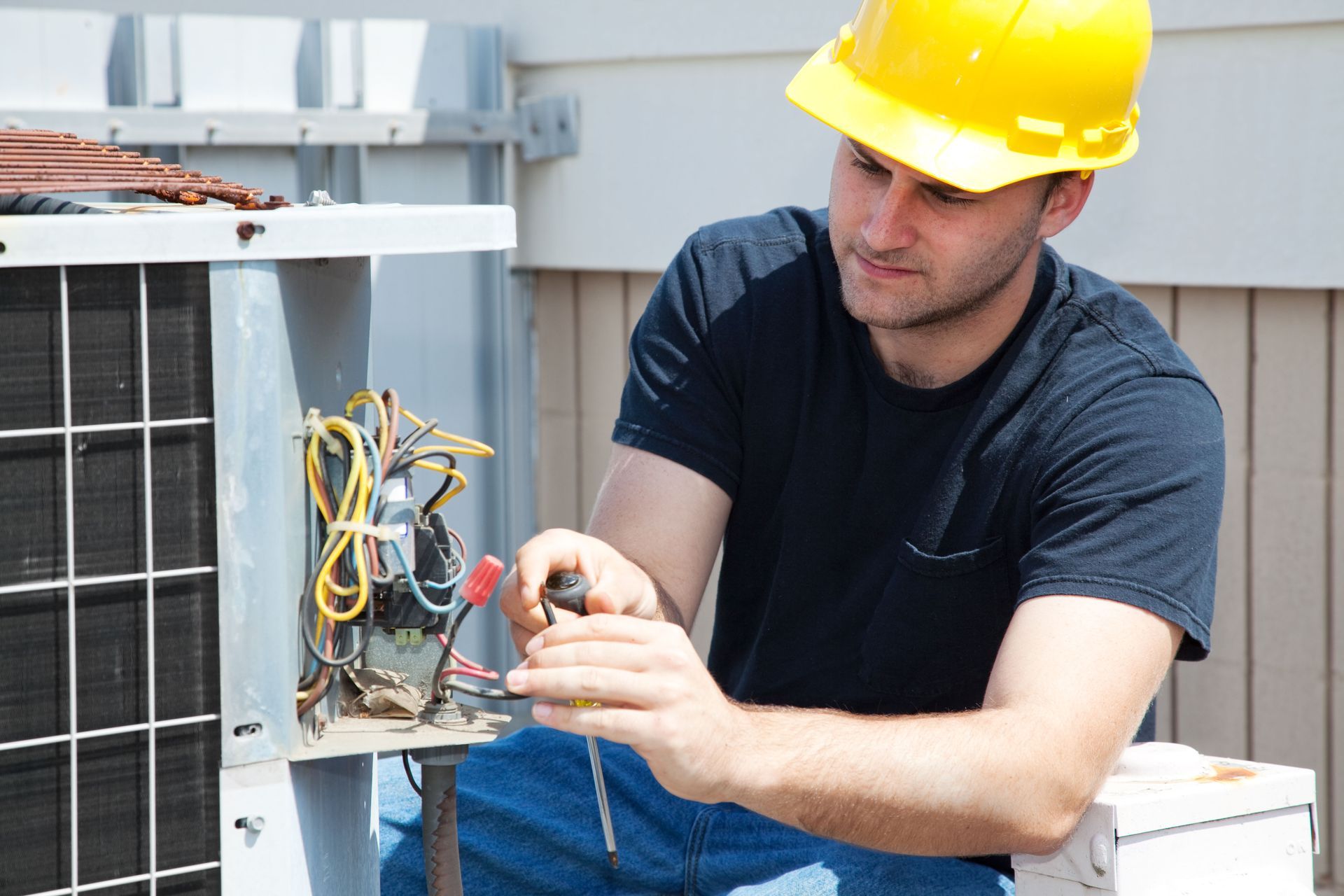
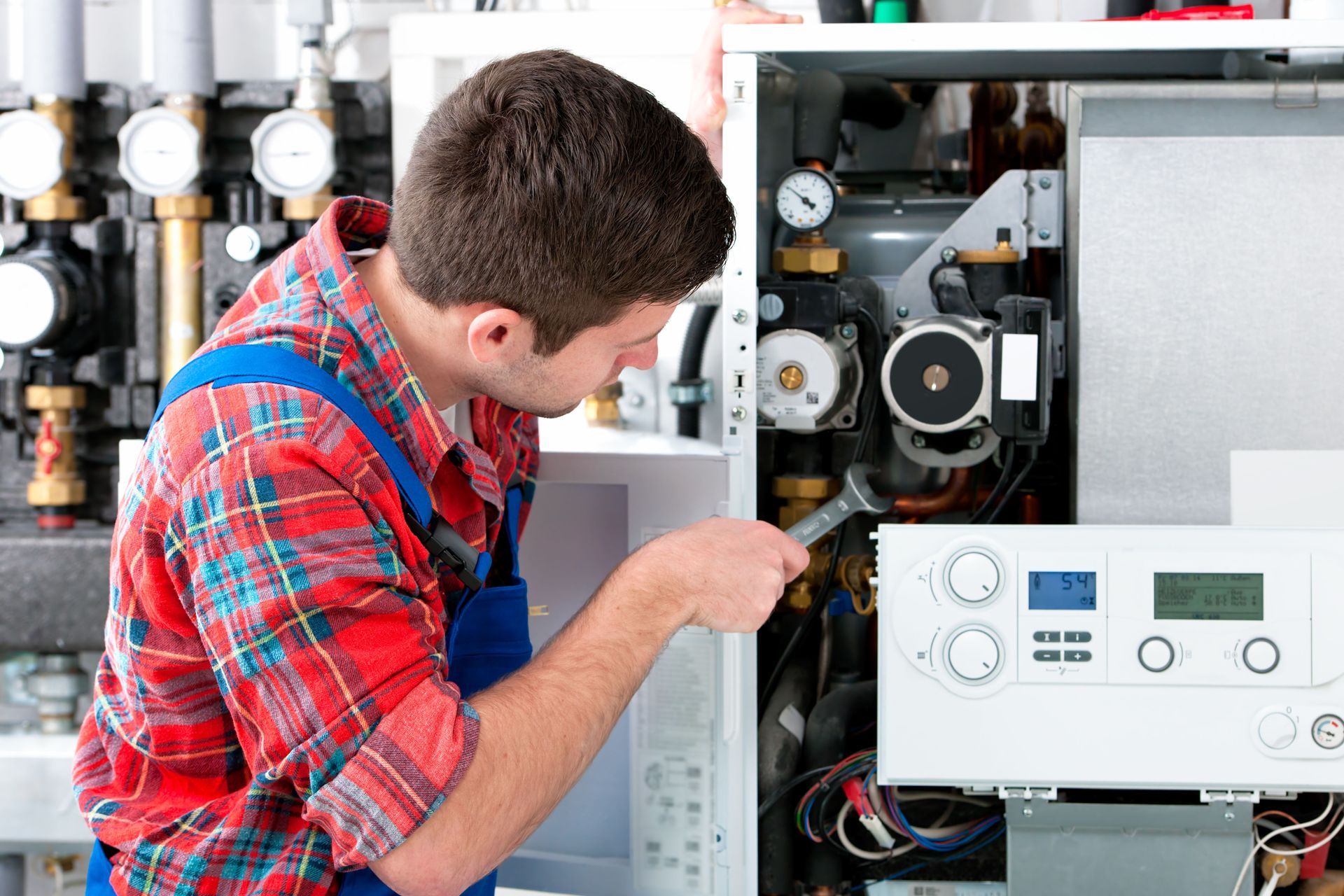
Maintaining a dependable heating and cooling system is essential for comfort, safety, and energy efficiency in any home or business. When your system starts acting strangely, it’s not always obvious what’s causing the problem, but small warning signs can quickly snowball into major issues. Knowing when to schedule HVAC repair helps protect your equipment, preserve indoor comfort, and prevent costly system failures. Whether you live or work in Northeast Kansas, staying proactive allows you to maintain performance year-round while taking advantage of free estimates from trusted professionals in your area. Paying attention to early symptoms can make the difference between a simple fix and a full system breakdown.
1. Identify Unusual Noises
Unusual noises are often the first red flags that something is wrong with your heating or cooling system. Banging or clanking sounds typically indicate loose parts, such as a disconnected blower component or broken motor housing. If these noises continue unchecked, the damage can escalate and affect surrounding parts, leading to more expensive HVAC repair needs. Addressing these noises promptly helps prevent secondary issues and preserves system longevity. Routine maintenance is one of the most effective ways to catch these problems before they become serious.
Squealing or screeching noises are another clear indicator that something is amiss. These sounds frequently point to worn belts, deteriorating motor bearings, or friction between moving components. You may also notice hissing, rattling, or clicking noises. Hissing can suggest a refrigerant leak or airflow blockage, while rattling often occurs when debris becomes trapped inside the unit. Clicking may signal electrical issues, especially during startup cycles. Each of these noises carries different risks, ranging from energy loss to safety hazards. Calling a professional for inspection ensures that the source of each noise is identified correctly and repaired before it leads to greater complications.
2. Recognize Inefficient Heating or Cooling
When your HVAC system stops maintaining consistent temperatures, something is likely preventing it from running at peak performance. Rooms that feel noticeably warmer or cooler than others often suggest duct damage, thermostat malfunctions, or failing internal components. Inconsistent temperatures require prompt evaluation because they can worsen as the system overworks itself. Timely HVAC repair prevents these inefficiencies from escalating into large-scale failures. A thorough inspection helps restore even airflow and reliable temperature control.
Reduced airflow is one of the most common causes of temperature inconsistencies. Clogged filters, damaged ducts, or low refrigerant levels can all restrict air movement and force the system to run longer to reach the desired temperature. According to This Old House, a 20-year-old furnace that has been well maintained may still only operate at 75% annual fuel use efficiency (AFUE), making older systems especially prone to efficiency loss. Regular filter replacement and airflow checks help counteract these limitations. High energy bills are another sign of an underperforming system. If your utility costs keep rising despite consistent usage patterns, your HVAC equipment may be cycling too frequently or struggling to maintain output. Scheduling HVAC repair promptly can restore efficiency, reduce energy waste, and extend the lifespan of your system.
3. Identify Strange Smells
Unusual odors coming from your vents or equipment should never be ignored. A burning smell often indicates an electrical problem, such as overheating wires or damaged insulation. These issues can quickly become hazardous if not addressed right away. Calling a professional for immediate evaluation ensures the system is safe to operate. Prioritizing electrical safety is a critical part of responsible system ownership.
A musty odor typically signals moisture buildup or mold growth inside the HVAC system or ductwork. Mold thrives in damp, enclosed spaces and can negatively affect indoor air quality, especially for individuals with respiratory sensitivities. Rotten egg or chemical-like odors represent more serious concerns. Rotten eggs may indicate a gas leak, while chemical smells often point to refrigerant problems. Gas leaks require immediate evacuation and emergency service, while refrigerant issues should be addressed by certified professionals due to handling regulations. Both scenarios indicate urgent conditions requiring HVAC repair.
4. Address Excessive Humidity
When humidity levels climb inside your home, your HVAC system may be struggling to balance moisture in the air. Excess humidity can leave your living space feeling sticky, warm, and uncomfortable. It may also lead to condensation on walls or windows, which contributes to mold growth. Repairs can help restore your system’s ability to regulate moisture effectively. A well-functioning HVAC system contributes to healthier and more comfortable indoor air.
Condensation on windows is one of the clearest indicators that humidity management is failing. If moisture consistently appears on the glass, it’s likely that your HVAC system is not removing enough moisture from the air. Visible mold is a sign that moisture levels are out of balance and require immediate attention. Mold not only damages surfaces but also contributes to persistent respiratory problems. If you see mold forming on walls, vents, or around windows, your HVAC system may not be circulating air efficiently. Professional cleaning paired with targeted HVAC repair can help eliminate excess moisture and restore healthier conditions. Consistent upkeep prevents mold from returning.
5. Evaluate Thermostat Issues
When the thermostat stops functioning correctly, the entire HVAC system becomes less reliable. Inaccurate readings can lead to uneven temperatures and increased operating times. Resetting or recalibrating the thermostat is a good first step, but persistent issues require professional evaluation. Addressing thermostat problems early helps maintain comfort and efficiency. A well-calibrated thermostat plays a major role in system performance.
If you find yourself constantly adjusting the temperature, the system may not be responding to your thermostat settings. This can strain the HVAC equipment, causing unnecessary cycling and energy waste. The issue may involve a faulty thermostat, weak sensor communication, or a deeper system malfunction. Scheduling HVAC repair ensures the underlying cause is handled appropriately. A properly functioning thermostat reduces wear and helps maintain stable indoor conditions.
6. Reduce Indoor Dust Levels
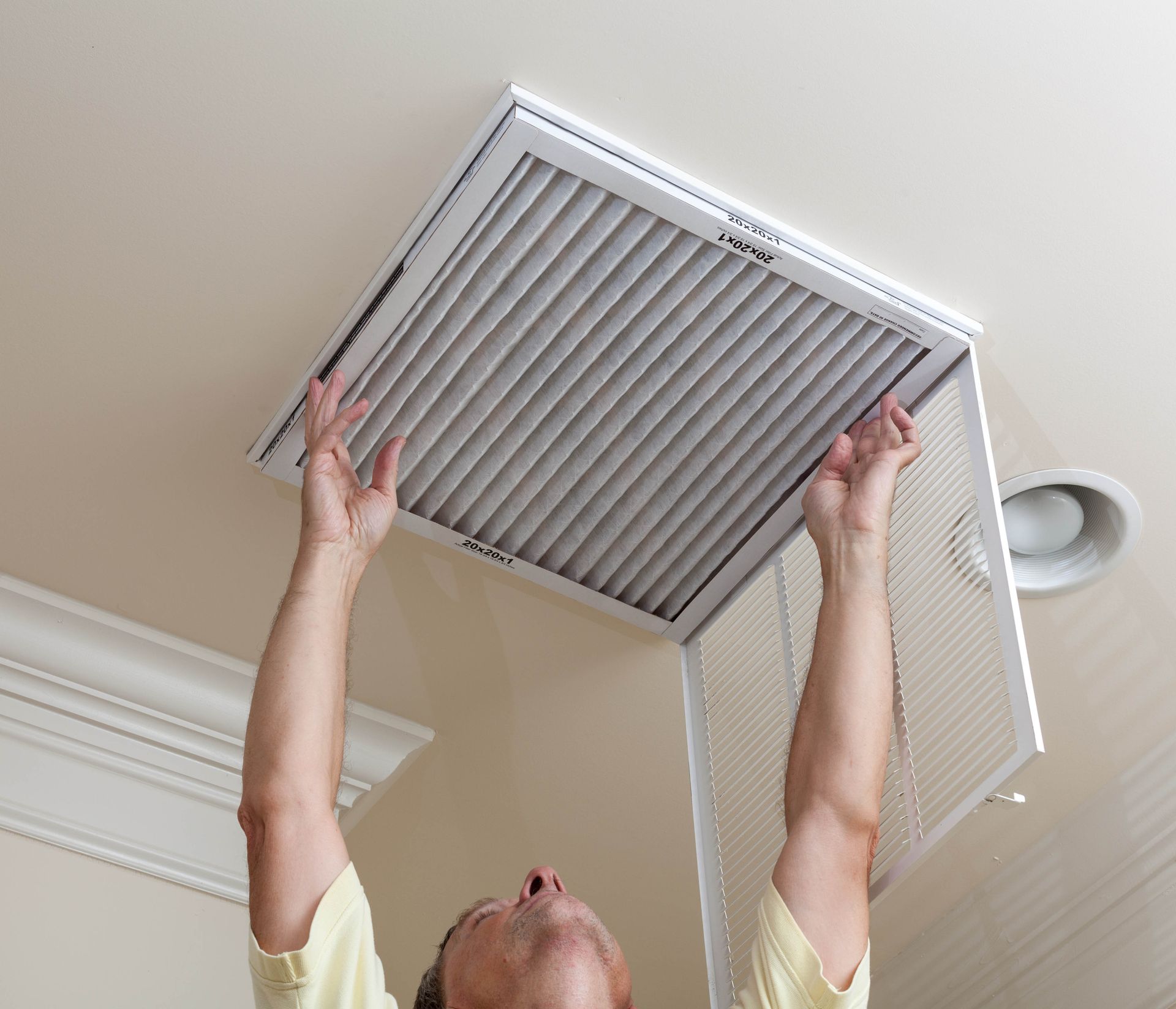
If your home accumulates dust faster than usual, your HVAC system may be circulating particles instead of filtering them. Dust buildup suggests that the system’s filtration is compromised, often due to clogged filters or dirty components. Poor filtration also increases allergy symptoms and reduces indoor air quality. Replacing filters regularly keeps air flowing smoothly and helps trap irritants. This simple habit supports long-term system efficiency.
Dust collecting around vents is another sign that your system needs attention. When vents become dirty, they distribute dust back into the home rather than capturing it. This forces the HVAC system to work harder, increasing energy use and accelerating wear. Allergy flare-ups among household members can also signal filtration issues. Increased exposure to dust, pollen, and other contaminants often points to weak airflow or clogged filters. High-quality filters and routine maintenance help minimize allergen distribution inside your home. Cleaning ducts and vents during routine appointments can greatly improve air circulation. Professional cleaning paired with strategic HVAC repair restores strong airflow and cleaner indoor conditions.
Maintaining a healthy, comfortable indoor environment relies on recognizing early system warning signs and acting quickly. Whether you notice unusual noises, humidity issues, thermostat problems, or airflow inconsistencies, scheduling
HVAC repair helps prevent additional damage and keeps your system operating reliably. Prompt service also protects your long-term investment by restoring efficiency and extending the lifespan of your equipment. If you're located in Northeast Kansas and want dependable support, Hiatt Service LLC is here to help with professional HVAC services and free estimates. Contact our team today to schedule your appointment and keep your system running at its best.