March 16, 2026
Maintaining a furnace goes beyond keeping a comfortable home during colder months. Regular maintenance is crucial in preventing costly repairs and extending the lifespan of these essential home appliances. Many homeowners will often face frequent furnace repair due to neglect, inadequate maintenance, and a lack of information. There are many ways homeowners can maintain a more efficient and reliable heating source, saving both time and money in the long run.
The Importance of Regular Inspections
Regular inspections play a pivotal role in maintaining a furnace. Through professional assessments, potential issues can be identified early, preventing them from escalating into major problems. Many mechanical problems originate from small issues that go unnoticed due to a lack of routine checks. For homeowners, scheduling regular inspections can mean the difference between minor fixes and costly overhauls. Without these inspections, wear and tear can progress undetected, potentially leading to decreased efficiency and unexpected failures.
Incorporating regular check-ups into a routine home maintenance schedule can dramatically reduce unforeseen furnace repair costs. These checks should ideally be done by qualified professionals who can assess all parts for optimal performance, from filters to the electrical systems. An inspection also provides an opportunity to address minor adjustments that may be needed due to operational irregularities. In fact, regular maintenance can extend the lifespan of the system.
Furthermore, neglecting regular maintenance can result in significant health and safety hazards. A poorly maintained furnace can lead to issues such as carbon monoxide leaks, posing a threat to household safety. Regular inspections minimize these risks by promoting elements such as the heat exchanger and pilot lights to function correctly. According to the U.S. Department of Energy, older fossil fuel furnaces typically operate at only 56% to 70% efficiency, further highlighting why maintenance is essential for older models. Therefore, dedicating time to regular maintenance is essential for the safe operation of the furnace.
The Role of Professional Servicing
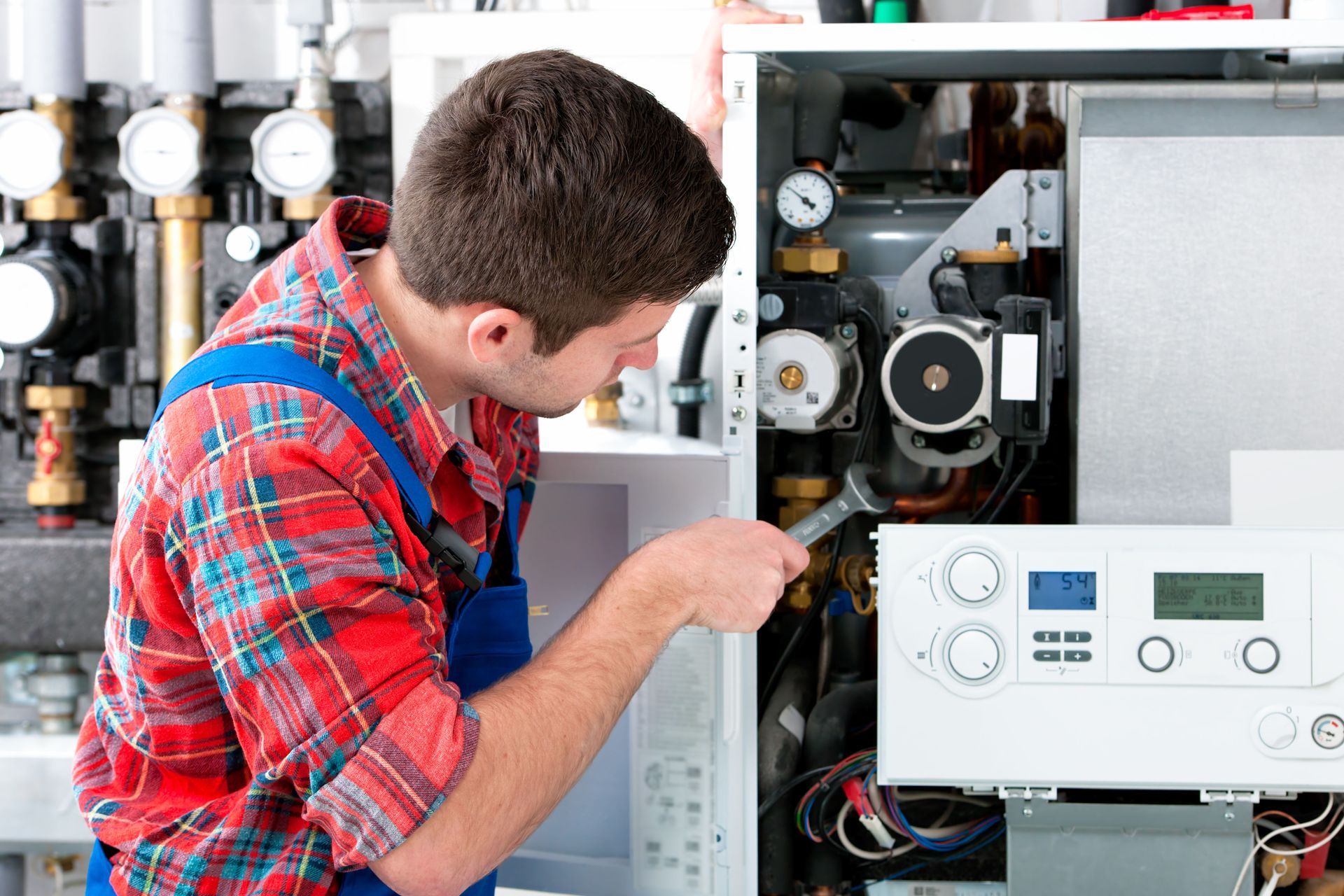
Professional servicing is crucial for maintaining a furnace in peak condition. HVAC professionals possess the expertise to identify and remediate potential problems that could lead to more significant issues if not addressed. They have the correct tools and industry knowledge to perform thorough checks, unlike basic maintenance procedures homeowners might attempt. Certified technicians can help the furnace operate within the manufacturer's specifications to maintain warranty conditions, providing a safety net for future repairs if necessary.
Professional service includes a detailed evaluation of the furnace's performance. This often involves checking the operational efficiency, which for older furnaces may be significantly lower, as noted by the U.S. Department of Energy. With expert assessments, professionals provide tailored solutions from furnace repair to parts replacement or guidance on possible upgrades. Technicians can also assess the heating patterns inside a home and suggest modifications or adjustments to improve overall efficiency. By investing in professional servicing, homeowners significantly reduce the chances of severe malfunctions.
While many homeowners might consider professional servicing as an unnecessary expense, the long-term benefits usually outweigh the costs. Scheduled professional maintenance promotes early correction of smaller issues before they necessitate expensive repairs. Professional servicing also extends the lifespan of the furnace, giving homeowners more value from their investment. Moreover, regular professional maintenance provides peace of mind, knowing that the heating system is reliable and safe, especially during extreme weather conditions.
The Common Maintenance Tasks Often Overlooked
Homeowners often overlook vital maintenance tasks that are crucial for furnace efficiency. These tasks are deceptively simple, yet failure to perform them could compromise the system's performance. Tasks such as regular filter replacement, cleaning vents, and inspecting burner flames are often neglected. These elements, when unmaintained, can lead to decreased air quality and inefficient heating. Neglecting these tasks could also result in increased energy consumption and higher utility bills, further impacting the homeowner's budget.
Simple tasks like keeping external vents free from obstructions can significantly improve a furnace’s performance. Over time, dust and debris can accumulate, blocking airflow and causing the furnace to work harder than necessary. Checking that the thermostat is accurately calibrated can improve efficiency and comfort. These tasks, though minor, can prevent major mechanical failures by reducing the strain on the system.
Failure to perform these basic tasks can cause persistent minor issues to become major repair concerns. For instance, a simple task like cleaning or replacing a filter, if overlooked, can result in imbalanced air flow and overheating issues. Regular oversight and commitment to performing these maintenance tasks can foster long-term savings by minimizing furnace repair costs and prolonging its lifespan. To achieve this, homeowners should create a checklist of regular maintenance tasks and adhere to this schedule consistently.
The Consequences of Dirty Filters
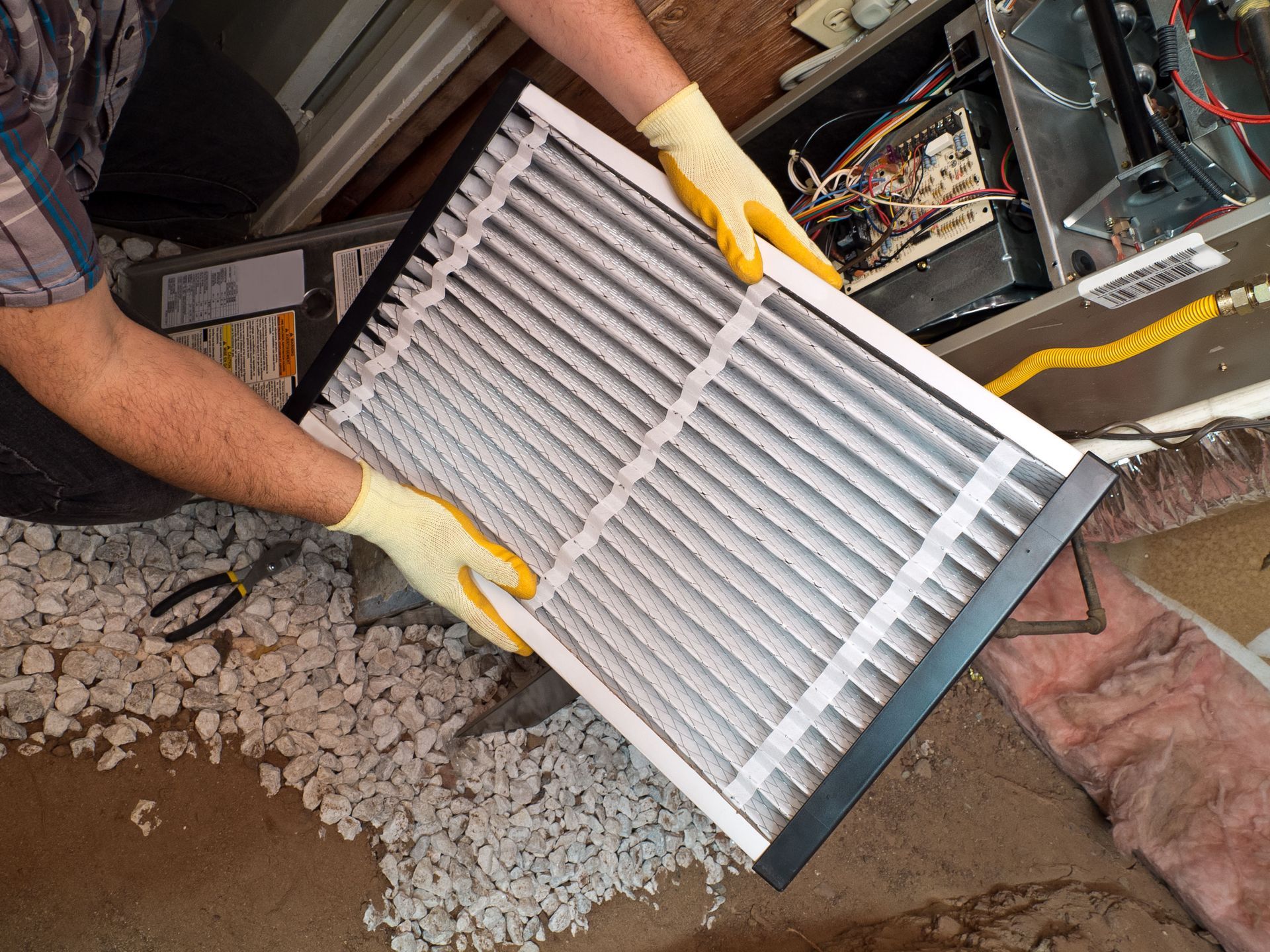
Dirty filters can cause significant problems for a furnace's performance and the home's air quality. When filters become clogged with dust and debris, it restricts airflow, forcing the furnace to work harder to maintain the desired temperature. This not only increases energy consumption but can also lead to overheating and potential mechanical failures. The system's blower motor, for instance, may wear out faster due to the increased workload, leading to costly furnace repair or replacement.
Poor air filtration caused by dirty filters can result in dust and allergens recirculating throughout the home. This impacts the overall indoor air quality, posing health risks, especially for individuals with respiratory issues or allergies. Clean filters are essential for maintaining a healthy living environment by effectively trapping dust, pollen, and other airborne particles.
Over time, neglecting to replace or clean filters can lead to an accumulation of dirt on other internal components. Regularly changing furnace filters is essential for maintaining system efficiency and air quality. The frequency of filter changes depends on various factors, such as the type of filter used, household size, and the presence of pets. Generally, it's recommended to inspect filters at least once a month and replace them every three months. However, some high-quality filters, like pleated or HEPA filters, may last longer before needing replacement, particularly if the furnace isn't used continuously.
The Most Common Thermostat Issues
The thermostat is a crucial component that regulates the operation of a furnace, and any issues can significantly impact heating efficiency. One common problem is inaccurate temperature readings, often due to a lack of calibration or a thermostat placed inappropriately, such as near direct sunlight or drafts. When the thermostat is unable to accurately gauge the ambient temperature, it can cause the furnace to short-cycle or run longer than necessary, increasing wear and energy costs.
Another frequent issue involves the thermostat losing power or connectivity, especially in digital or smart models. If the thermostat’s power source becomes disrupted from either depleted batteries, wiring issues, or circuit problems, it could prevent the furnace from receiving the necessary signals to activate or modulate heating cycles. This disruption can lead to a lack of heat when it’s needed most, impacting comfort and efficiency.
Furthermore, outdated thermostats may lack the advanced features offered by newer models, affecting overall efficiency and comfort control. Upgrading to a programmable or smart thermostat can offer better control over heating schedules, contributing to more balanced energy use. By addressing common thermostat issues proactively, homeowners can enhance their furnace's operational efficiency and maintain comfortable indoor temperatures.
Regular maintenance and timely attention to minor issues can dramatically reduce the likelihood of costly furnace repair. Taking proactive steps, such as cleaning filters, checking vents, and scheduling professional inspections, helps your system run efficiently and safely. By staying consistent with these practices, homeowners can enjoy reliable heating and improved comfort throughout the year. For fast, reliable heating and cooling solutions, contact Hiatt Service LLC today to schedule expert furnace repair, maintenance, or installation services.